
DTF (Direct-to-Film) powder is a specialized hot-melt adhesive used in textile printing. After a design is printed onto PET film with DTF inks, the powder is applied to form an adhesive layer. Under heat and pressure, this layer bonds ink and fabric together, ensuring the transfer is vivid, durable, and resistant to washing. The quality and type of DTF powder directly affect print appearance, hand feel, durability, and production efficiency.
Several factors guide the selection of DTF powder for optimal results:
A professional evaluation ensures long-term reliability. Testing should cover:
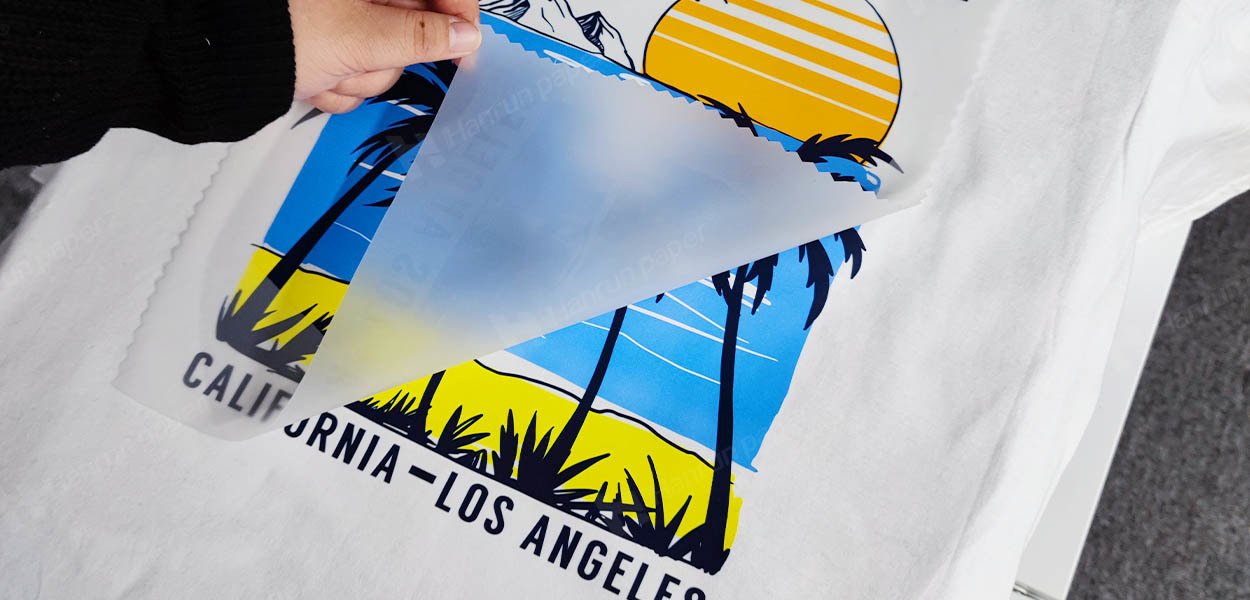
Hanrun Paper DTF Powder Solutions
Hanrun Paper offers a complete portfolio of powders designed for different fabrics, particle sizes, and applications. Each type is engineered for professional-grade performance:
Particle Size: 0–80μm
Suitable Fabrics: Lightweight fabrics such as cotton, silk, chiffon, polyester blends, synthetic fibers
Key Features: Fast melting, uniform coverage, soft hand feel, smooth surface finish, excellent wash durability
Applications: High-detail logos, premium fashion apparel, care labels, small logos, sportswear with precision designs
Best Use Case: High-end garments and accessories where detail resolution and smoothness are critical
Particle Size: 80–200μm
Suitable Fabrics: Cotton, polyester, blends, T-shirts, uniforms, tote bags
Key Features: Low melting temperature (110–115℃), flexible and solvent-free adhesive, durable wash performance, abrasion resistance
Applications: Personalized clothing, promotional apparel, team uniforms, casual wear
Best Use Case: General-purpose production across standard fabrics
Particle Size: 80–200μm
Suitable Fabrics: Dyed polyester, dark-colored synthetics
Key Features: Anti-sublimation function to block dye migration, wash resistance, soft and flexible finish
Applications: Sportswear, jerseys, dark polyester promotional clothing
Best Use Case: Prints on dark polyester that require long-term color stability
Particle Size: 150–250μm
Suitable Fabrics: Heavy or coarse textiles such as denim, canvas, linen
Key Features: Strong adhesion, superior coverage, reduced waste on thick fabrics, reliable viscosity on textured surfaces
Applications: Denim jackets, workwear, canvas bags, linen products, industrial textiles
Best Use Case: Durable prints on coarse materials prone to peeling or poor adhesion with standard powders
Particle Size: 80–170μm
Suitable Fabrics: Polyester, nylon, leather, canvas, coated textiles
Key Features: Low melting point (95–105℃), strong adhesion, water resistance, smooth finish with limited elasticity
Applications: Workwear, bags, wallets, belts, leather accessories, gift boxes
Best Use Case: Industries requiring stable bonding across multiple substrates where high stretch is not essential
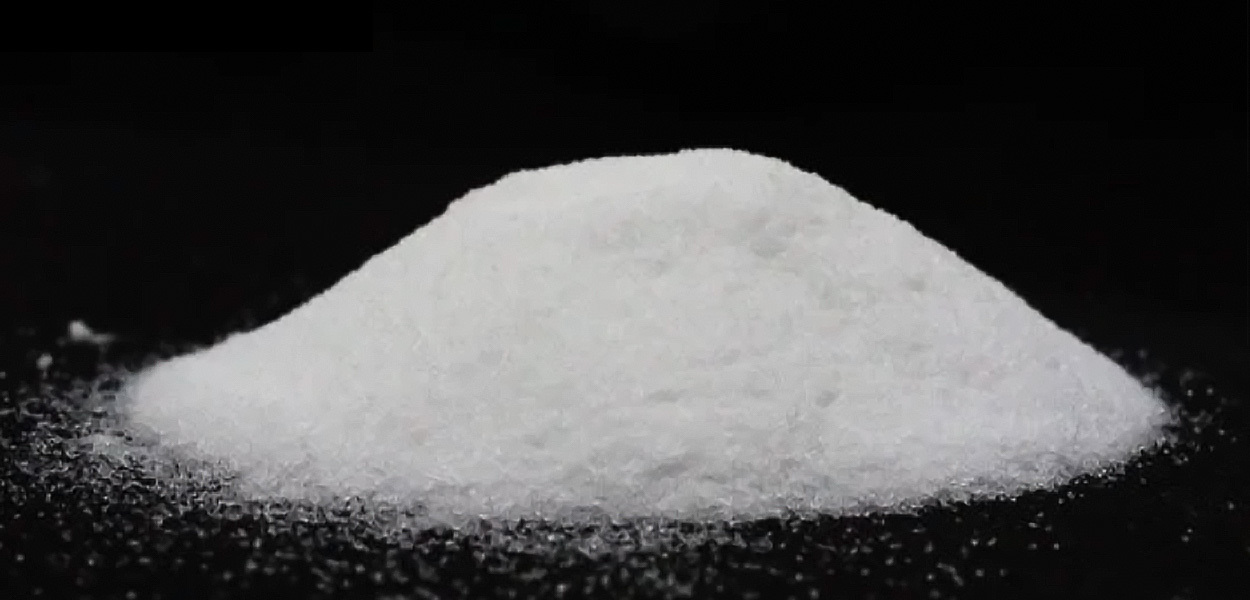
How to Store DTF Powder Properly
Correct storage ensures that powder maintains its performance:
Conclusion
DTF powder is the invisible foundation of every high-quality transfer print. By understanding how to choose and test powders—and by applying the right Hanrun Paper solution—you can achieve vivid colors, excellent wash durability, and superior adhesion across diverse fabrics.
Hanrun Paper's range of DTF-Fine Powder White, DTF-Medium Powder White, DTF-Medium Powder Black, DTF-Coarse Powder White, and DTF-Solid Lock Powder offers tailored solutions for everything from delicate silk to rugged denim. With the right powder, you gain not only technical reliability but also greater business efficiency and product value.

