
As global brand owners, retailers, and premium buyers continue to raise their expectations for print quality, color accuracy and consistency have become a fundamental requirement rather than a value-added feature.
From textile digital printing and sublimation printing to UV printing and DTF printing, professional print color management is now a core competency that modern printing companies can no longer ignore.
However, despite its frequent use, color management is also one of the most misunderstood concepts in the printing industry.
Some believe calibrating a printer is enough.
Others assume that having ICC profiles automatically guarantees accurate color.
Many even confuse ink preset curves with true color control.
So what does real color management actually mean?
This article provides a systematic examination of the complete print production workflow, combining traditional printing and digital printing practices, to explain what professional color management truly entails and how it delivers predictable, repeatable, and standardized color results.
At its core, color management is the systematic control of color reproduction throughout the entire production process.
The ultimate goal is simple:
To achieve consistent, predictable, and repeatable color across different devices, materials, processes, and production batches.
This goal can be broken down into two key dimensions:
Modern color management relies on:
Effective color management typically delivers:

In high-end printing environments, front-end color correction and image editing are often the most underestimated yet impactful part of color management.
Professional color specialists typically:
Their responsibilities often include:
The advantage of front-end color correction is efficiency:
problems are solved before they reach the press, rather than forcing machines to compensate for flawed files.
For DTF printing, textile digital printing, and sublimation printing, where color sensitivity is extremely high, front-end color work often determines the success of the final output.
Soft proofing, or screen proofing, is an essential component of modern digital color management.
Its principle is straightforward:
A properly calibrated monitor is used to simulate the final print color.
Since displays operate in RGB color space—which is theoretically larger than CMYK—they can accurately preview print colors when managed correctly.
Key requirements for reliable soft proofing:
Equally important are:
Soft proofing is especially valuable for remote proofing, international collaboration, and digital printing workflows, even though environmental and hardware variables must be carefully controlled.
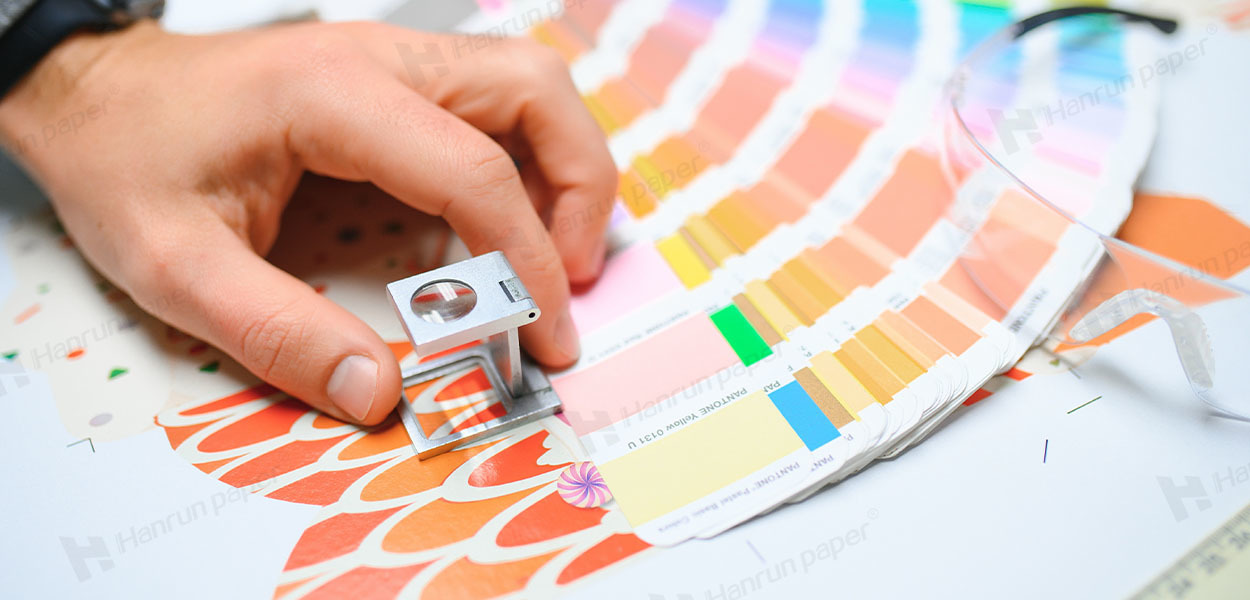
If soft proofing is about visualization, contract proofing is about physical verification.
A truly professional digital proofing system is not just a printer—it is an ecosystem that includes:
The objective is clear:
The proof must accurately predict the final print result.
By regularly measuring Fogra or IDEAlliance control strips and evaluating them according to ISO 12647-7, printers can establish a closed-loop color management system.
This is particularly critical in UV printing, textile printing, sublimation printing, and DTF workflows, where material variability is high.
With the rapid growth of digital textile printing, sublimation printing, UV printing, and DTF printing, digital presses have become a major focus of color management.
Digital printing color management typically serves two main purposes:
Even for jobs that do not require strict print matching, proper gray balance, tone reproduction, and gamut utilization can significantly elevate visual quality.
Large-format inkjet printers and UV printers, when properly managed, often outperform traditional CMYK printing in color vibrancy and saturation.
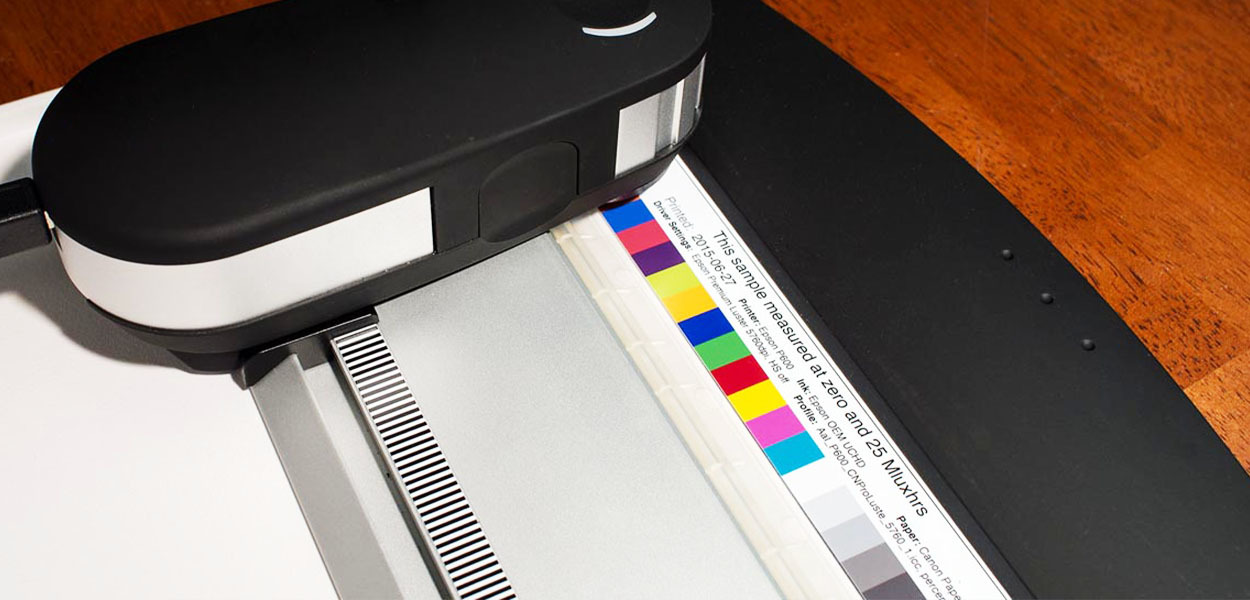
For offset and UV offset printing, color management remains the primary production discipline.
Achieving stable color requires control over:
Once stabilized, presses can generate reliable printing ICC profiles, enabling accurate matching between contract proofs, digital printing, and traditional printing.
It is important to clarify a common misconception:
Ink preset curves are not color management.
Press linking improves efficiency, but true color management also includes:
These aspects are especially critical in packaging printing, label printing, and UV printing applications.
Once a stable color management foundation is established, many brands pursue wide color gamut printing.
Whether achieved through:
The prerequisites remain the same:
stable equipment, controlled consumables, standardized workflows, and measurable data.
Only under these conditions can wide color gamut printing deliver consistent, competitive advantages.

There is no one-size-fits-all solution for color management.
Each printing company must evaluate:
True professional color management is not about copying templates—it is about building a system that solves real problems, supports growth, and ensures long-term color consistency.

